Strategic Ways to Build Durable Relationships with Key Customers
In the current economic climate, where acquiring new customers is becoming more expensive, the focus for business leaders must shift. The era of "growth at all costs" has been replaced by a need for efficient growth. This requires a change in strategy: moving focus from chasing new sales to strengthening existing relationships.
The logic is simple. The biggest opportunity for most companies isn't in a new market, but in optimizing how they manage their key accounts. Building durable relationships with your most important customers is a critical business strategy that reduces risk and drives shareholder value.
When an organization uses data to anticipate client goals and engages deeply, they create a competitive advantage. They move from being just a vendor to becoming a strategic partner. The following framework outlines how to build trust and manage these relationships to turn your customer base into a predictable revenue source.
Using Data to Predict Customer Needs
To build a strong relationship, you must understand your customer deeply. In the past, knowing a customer meant knowing their size and location. Today, that is not enough. You need to combine demographic, behavioral, and transaction data to get a 360° view of the client.
Segmentation and Resource Allocation
Not all customers provide the same value. The first step is to group customers based on their behavior or potential value. This allows you to allocate resources efficiently. You can then use specific strategies for different groups, ensuring that your most valuable resources are focused on your most valuable customers.

The "80/20 rule" often applies here: 80% of your revenue stability likely comes from 20% of your relationships. Identifying this group allows you to offer them a higher level of service.
Anticipating Future Goals
The goal is to move from reacting to problems to preventing them. By aligning your efforts with what the customer wants to achieve in the future, you can solve issues before they happen. This requires active listening and monitoring customer health scores.
When you can address a client by name, reference past work, and help them meet their upcoming goals, you build trust. This changes your role from an order-taker to a strategic advisor helping them navigate their own market challenges.
Building Trust Through Consistent Communication
Communication is the foundation of the client relationship. The challenge today is ensuring your message is clear and consistent across many different channels.
Consistency Across Channels
Clients prefer different ways of communicating. A CEO might want a text summary, while a manager needs a detailed email. You must use multiple channels—email, video, messaging—to match their preference.
The key is consistency. Whether the interaction happens online or via a support ticket, the service level must be the same. This consistency reduces confusion and builds trust. If a client gets great service from Sales but poor service from Support, the relationship weakens.
Transparency Builds Trust
In business, things go wrong. Supply chains break and deadlines slide. The difference between keeping or losing a client is often transparency. Research shows that trust is a key factor in buying decisions.
When you openly share information about delays or changes, you show accountability. Informing a client of a delay before they discover it themselves shows respect. This prevents misunderstandings and protects your credibility.
Closing the Feedback Loop
Communication must go both ways. You must have systems to capture and act on feedback. Regular check-ins and surveys are vital. However, collecting data is useless if you don't act on it. You must tell the customer what changed based on their feedback. This proves you are listening and deepens their investment in the relationship.
Creating Value Through Proactive Service
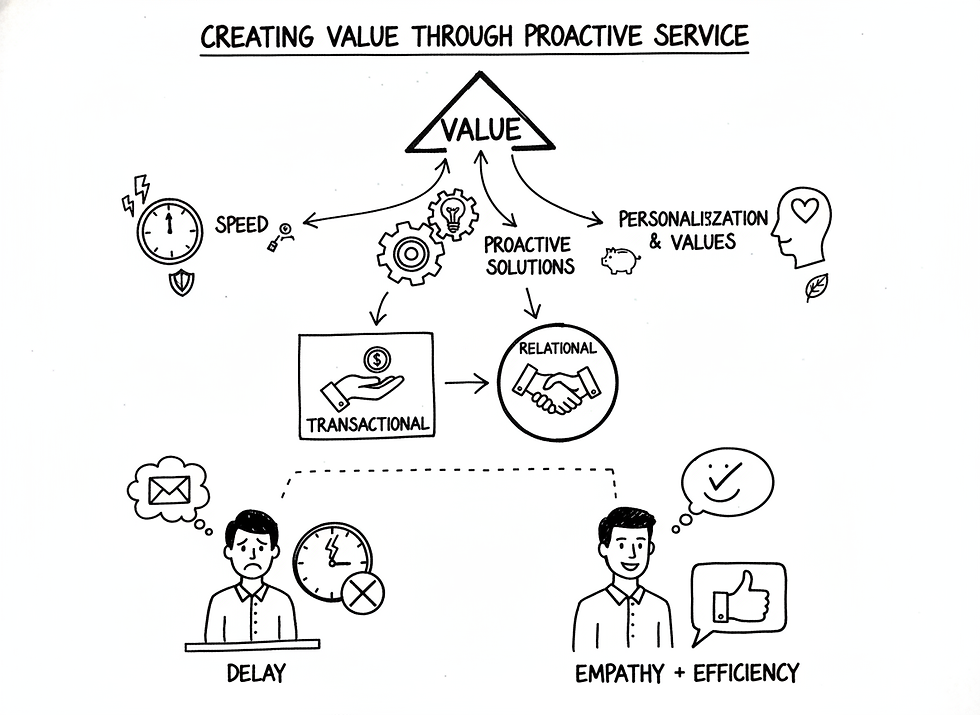
In a competitive market, service quality is a major differentiator. Efficient and empathetic support can turn a negative experience into a positive one.
The Importance of Speed
Time is a scarce resource for executives. Therefore, responding quickly is a sign of respect. Establishing standards—such as a 24-hour response time for emails—is critical. Prioritizing urgent communications ensures your most important clients never feel ignored.
Delayed responses signal indifference. In high-stakes relationships, silence is dangerous. Automated acknowledgments can help manage expectations while you resolve the issue.
Solving Problems Proactively
The best service solves a problem the client didn't know they had. Proactive outreach—like notifying a client of a new option that saves them money—shows you are protecting their interests. This shifts the relationship from transactional (selling a product) to relational (protecting an outcome).
Personalization and Alignment
Customers want experiences tailored to their context. This goes beyond using their first name. It involves tailoring the product offering itself.
For example, loyalty programs that offer relevant rewards can boost retention. Furthermore, aligning with the client's corporate values—such as sustainability—creates an emotional connection. When a client feels your values match theirs, they are less likely to switch to a competitor.
Using Technology to Manage Relationships
To manage relationships at scale, you need the right technology. Paradoxically, data tools enable a more personal touch.
CRM as the Source of Truth
Case studies show the power of a Customer Relationship Management (CRM) system. In one example, using a CRM to track interactions led to a 30% increase in sales.
The CRM should be the single source of truth. It should hold transaction history, conversation logs, and health scores. This allows any team member—from Finance to Support—to understand the client's full context immediately.
Intelligent Engagement Tools
Advanced platforms allow for data collection that enables personalized content at scale. These tools help you monitor metrics and refine your strategy in real-time.
For example, using data to drive content marketing ensures you send relevant information to the right executives, rather than sending generic emails to everyone. This increases relevance and positions your brand as a helpful resource.
Overcoming Internal Challenges
Despite the benefits, many companies fail at relationship building due to internal problems. These barriers require leadership to fix.
Connecting Data Silos
A major obstacle is scattered data. If Marketing owns email data and Sales owns phone data, the customer experience is fragmented. Without a unified view, you cannot offer a personalized experience. Leadership must ensure data flows smoothly between departments.
Managing Change and Culture
Employees often resist new workflows or technologies. Overcoming this requires clear communication and training.
Furthermore, "silos" between departments (like Sales vs. Marketing) lead to poor handoffs. You must foster a culture of collaboration. The customer should not have to understand your internal structure to get a problem solved.
Adapting to Change
Customer expectations change over time. As the market shifts, businesses must adapt. This requires constant feedback and market research. Failing to adapt can erode trust and hurt long-term relationships.
Investing in Customer Retention
Building durable customer relationships is a capital allocation strategy.
When you invest in understanding the customer journey, you reduce churn. When you invest in training employees to listen, you build brand value. When you invest in transparency, you reduce risk.
Metrics like Net Promoter Score (NPS) and Customer Satisfaction Score (CSAT) are indicators of future cash flow. By fixing data issues and focusing on proactive communication, your company can build loyalty that withstands competitive pressure. Ultimately, your product is not just what you sell; it is the trust you build.

